Wild at Heart: A Designer’s Review for Real Embroidery Projects
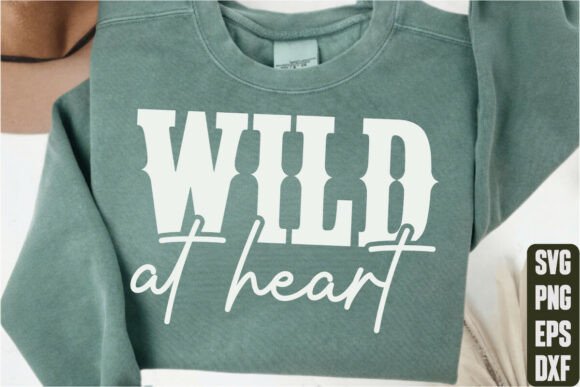
As someone who has spent years staring at digitized files on a screen and then watching them come to life under the needle, I have learned that not every pretty graphic translates well into thread. When I first opened the Wild at Heart design file, my immediate reaction was one of cautious optimism. It presents itself as an elegant inspirational quote, a category that is currently saturated in the world of T-Shirt Designs and general Graphics. However, the true test of any machine embroidery design is not how it looks in a digital preview, but how it behaves when stitched out on actual fabric.
In this review, I am evaluating Wild at Heart from the perspective of a working designer and small business owner. I am looking past the marketing fluff to determine if this embroidery file is worth your time, thread, and hoop space. Whether you are an Etsy seller looking for your next best-seller or a hobbyist making a personalized gift, understanding the practical application of this design is crucial before you hit "start" on your machine.
First Impressions: Mood and Visual Personality
The Wild at Heart design carries a specific mood. It leans into the popular aesthetic of bohemian elegance mixed with modern minimalism. The layout suggests a balance between typography and decorative elements, which is often where designs fail. If the text is too thin, it gets lost; if the decorative elements are too dense, the fabric puckers.
Visually, the design feels intended for projects that require a touch of sophistication without being overly formal. It does not scream for attention with neon colors or aggressive shapes. Instead, it invites a closer look. This subtle confidence makes it a strong candidate for custom apparel where the wearer wants to express individuality quietly. For a designer, this means the thread colors you choose will define the final product more than the shape itself. A monochrome look might feel chic and modern, while earthy tones could push it toward a rustic, handmade vibe.
Real-World Application: The Tote Bag Test
To truly understand the viability of Wild at Heart, I mentally placed it on a canvas tote bag. This is a common small shop product and a staple for craft fairs. Canvas is a sturdy fabric, but it has a distinct weave. A design with poor stitch density will look sparse and cheap on such a textured surface.
If Wild at Heart utilizes adequate fill stitch work in its decorative elements, it will cover the canvas weave beautifully, creating a solid, professional appearance. However, if the design relies heavily on running stitch outlines for the lettering, you must be careful. On a tote bag, single lines of stitching can sometimes sink into the fabric texture, reducing readability. I would recommend using a heavier weight thread or doubling up the run stitches if the digitizing allows, to ensure the inspirational quote remains legible from a distance.
Beyond tote bags, consider sweatshirt embroidery. Here, the fabric is soft and slightly fuzzy. A design with sharp, intricate corners might get lost in the pile of a fleece or French terry cloth. Wild at Heart seems to favor flowing lines, which generally perform better on textured knits. The "wild" aspect of the theme pairs naturally with the casual comfort of a sweatshirt, making it a strong contender for boutique branding or casual wear collections.
Technical Considerations and Stitching Clarity
When evaluating any digital embroidery file, we must talk about the mechanics of stitching. The description mentions it is perfect for T-shirt scraps and posters, which implies versatility. However, in embroidery, versatility often requires adjustment.
Stabilizer choice is non-negotiable here. For a design that likely combines text with decorative flourishes, a cut-away stabilizer is usually safer for garments that will be washed frequently, like t-shirts and baby clothes. A tear-away might suffice for a decorative pillow cover or a wall hanging, but for a finished product meant for daily use, you need longevity.
Pay close attention to the hoop size required. While the exact dimensions are not specified in the brief description, inspirational quotes often span horizontally. Ensure your machine’s hoop can accommodate the width without forcing you to resize the design disproportionately. Resizing can distort the satin stitch widths, leading to thread breaks or gaps in coverage. Always check the recommended hoop size in the technical notes of the file before purchasing.
Fabric and Color Contrast
The success of Wild at Heart hinges on contrast. Because it is an inspirational quote, readability is paramount. On dark fabrics, light threads are essential. On light fabrics, you have more freedom, but avoid low-contrast combinations like pastel yellow on white.
I strongly advise testing this design on scrap fabric first. Specifically, test it on the same type of fabric you intend to sell. If you are making baby embroidery items, use a soft cotton jersey. If you are making embroidered patch items for hats, use twill. The way the stitches lay on twill is vastly different from how they lay on jersey. This simple step saves wasted thread and prevents customer dissatisfaction.
Commercial Viability for Makers and Sellers
For the craft business owner, Wild at Heart offers potential because of its emotional resonance. Inspirational quotes sell because they connect with the buyer’s identity. However, the market is crowded. To stand out, you must elevate the presentation.
Use high-quality printable mockup images that show the texture of the stitches. Do not just slap the digital graphic onto a flat photo. Show the dimensionality. Highlight the handmade product aspect by photographing the actual stitched item. Customers trust what they can see. If the stitching looks clean, tight, and professional in your photos, the perceived value of the item increases.
Consider the licensing terms carefully. The description notes it is for creative projects, but you must confirm if it allows for commercial use of finished items. Most reputable designers allow you to sell physical products made with their design assets, but reselling the digital file itself is almost always prohibited. Clarify this before listing items on Etsy or at craft fairs.
Where to Use Caution
While Wild at Heart is versatile, it is not universal. Avoid using it on extremely stretchy fabrics without proper stabilization, as the text may warp after washing. Be cautious with very small hoop sizes if the design includes fine details; tiny lettering can become illegible if scaled down too far.
Also, consider the care instructions. If the design uses complex applique design techniques or dense stitching, it may require gentle washing. Inform your customers of this. Transparency builds trust and reduces returns.
Final Verdict
Wild at Heart is a promising addition to your library of T-Shirt Designs and decorative Graphics. It balances aesthetic appeal with practical application, provided you respect the technical requirements of embroidery. It is best suited for medium-to-large projects like tote bags, sweatshirts, and pillow covers where the details can shine.
For the experienced maker, it offers a reliable template for creating high-value holiday embroidery gifts or everyday custom apparel. For the beginner, it serves as a good lesson in the importance of fabric choice and stabilization. Test it, tweak your tension, and let the design speak for itself. In the end, the quality of your execution will determine the success of the project, not just the design file itself.