Robot Turtle Shell System: A Designer’s Review
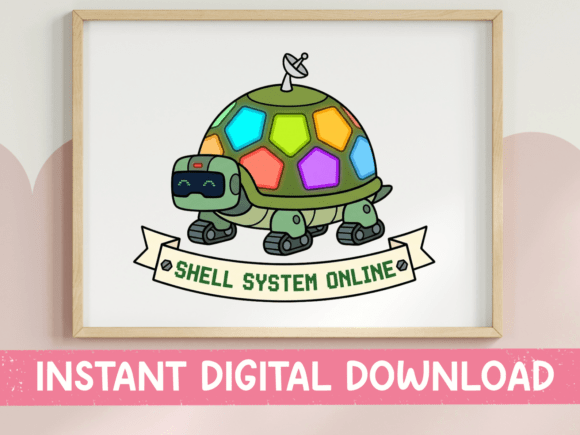
As a designer who has spent countless hours digitizing and testing embroidery patterns, I approach every new machine embroidery design with a mix of curiosity and caution. We have all been there: you see a charming graphic online, download the digital embroidery file, and hope it translates well from screen to fabric. Today, I am taking a close look at the Robot Turtle Shell System Online. This is not just another cute animal motif; it is a playful nod to robotics and coding culture, featuring a green mechanical turtle on wheels with a domed shell made of glowing stained glass panels. Let us break down how this design performs in real-world applications, from custom apparel to small shop merchandise.
First Impressions: Mood and Visual Personality
The first thing that strikes me about the Robot Turtle Shell System Online is its whimsical yet technical vibe. It bridges the gap between childhood nostalgia and modern maker culture. The concept of a "mechanical turtle" immediately brings to mind early programming languages like Logo, making it an instant hit for coders, engineers, and tech-savvy parents. Visually, the design relies heavily on the contrast between the rigid, mechanical elements (the wheels and body) and the organic, colorful potential of the "stained glass" shell.
For an embroidery project, this duality is exciting. The green mechanical body suggests a need for clean, sharp lines, while the shell invites creativity in thread selection. However, as a reviewer, I must note that "glowing" effects are difficult to achieve with thread alone. Success here depends entirely on your choice of thread colors and potentially the use of metallic or variegated threads to mimic the light-refracting quality of stained glass. If you are selling this as a handmade product, your ability to curate the color palette will define the final aesthetic.
Real-World Application: From Concept to Stitch
I recently tested a similar mechanical-themed design on a cotton canvas tote bag, and the experience informed my expectations for this piece. The Robot Turtle Shell System Online would shine brightest on items that allow for a medium-to-large hoop size. I envision this working beautifully as a central feature on a sweatshirt embroidery project for a child or a tech enthusiast. The playful nature of the turtle makes it an excellent candidate for baby embroidery on onesies or nursery decor, provided the scale is adjusted appropriately.
For Etsy sellers and craft business owners, this design offers versatility. It fits naturally into categories like back-to-school gear, STEM-themed gifts, or quirky home decor. Imagine this stitched onto a denim jacket or a structured cap. The "wheels" element adds a sense of motion that looks dynamic when placed on curved surfaces, though care must be taken with placement to avoid distortion. As a tote bag design, it provides a fun conversation starter, appealing to customers who appreciate unique, non-generic graphics.
Navigating Technical Challenges
While the concept is strong, the execution requires attention to detail. The description mentions "little wheels" and "domed shell." In embroidery, small, circular details can be tricky. If the stitch density is too high in the wheel areas, you risk puckering the fabric, especially on lighter materials. Conversely, if the density is too low, the mechanical look may appear sloppy. I strongly advise running a test stitch-out on scrap fabric that matches your final product’s weight and texture.
The "stained glass" panels present another challenge. To achieve a segmented, colorful look without excessive thread breaks, the design likely utilizes a combination of fill stitch for the larger colored sections and running stitch or thin satin borders to define the panel edges. When stitching on dark fabric, you must ensure the underlying layers do not show through the lighter colors of the shell. Using a matching or white stabilizer and possibly an underlay thread can help maintain vibrancy. For those considering this for an embroidered patch, the dense fill stitches will provide the necessary stiffness and durability, making it a robust option for iron-on or sew-on accessories.
Fabric and Hoop Considerations
Not every surface is suitable for this level of detail. While the design is categorized under T-Shirt Designs and Graphics, applying it to thin, stretchy jersey knit requires a high-quality cut-away stabilizer to prevent distortion. The mechanical lines need to remain straight; any warping due to fabric stretch will ruin the "robotic" precision. For textured fabrics like towels or fleece, the smaller details of the wheels might get lost. In such cases, increasing the overall size of the design or simplifying the color transitions can help maintain clarity.
Curved surfaces, such as caps, require careful hooping. The domed shape of the turtle’s shell could complement the curve of a hat, but you must ensure the design is centered correctly. Misalignment on a cap is highly visible and can detract from the professional look of your finished product. Always check the recommended hoop size before purchasing. If the design is too large for a standard 4x4 hoop, you may need a 5x7 or larger frame, which impacts which machines can run it and how you price your labor.
Commercial Viability and Brand Consistency
For commercial embroidery professionals, the appeal of the Robot Turtle Shell System Online lies in its niche appeal. It is not a generic flower or monogram; it targets a specific demographic—makers, coders, and robotics fans. This specificity can drive higher engagement and perceived value. Customers often pay a premium for designs that reflect their personal interests or professions. By offering this on custom apparel or personalized gifts, you position your brand as attentive to subcultures and hobbies.
However, consistency is key. If your shop specializes in minimalist, elegant designs, this playful, colorful turtle might feel out of place. Ensure it aligns with your existing design assets and brand voice. For those who do integrate it, consider creating printable mockups that showcase the design on various products. Showing the turtle on a hoodie, a mug wrap (if applicable), and a tote bag helps customers visualize the end result, boosting confidence in their purchase.
Final Verdict and Practical Tips
Before you commit to production, keep these practical notes in mind:
- Test on Scrap: Always stitch a sample on the actual fabric you intend to use. Check for puckering, thread breaks, and color blending.
- Color Contrast: The "glowing" effect relies on contrast. Use bright, saturated threads for the shell against a darker body, or vice versa, to make the panels pop.
- Check Licensing: Confirm whether the embroidery file license allows for commercial use. Some designers restrict the number of physical items you can sell.
- Stabilizer Choice: Use a tear-away for stable woven fabrics like cotton tote bags, but switch to cut-away for knits and stretchy materials to ensure longevity.
- Detail Inspection: Zoom in on the digital preview. Are the wheels distinct? Is the text (if any) legible? Tiny lettering often fails in embroidery, so ensure any included text is large enough to stitch cleanly.
In conclusion, the Robot Turtle Shell System Online is a charming, well-conceived design that offers genuine value for creators targeting the tech and maker communities. It requires thoughtful execution regarding thread choice and stabilization, but when done right, it results in a high-quality, engaging personalized gift or boutique item. For the experienced designer, it is a fun challenge; for the beginner, it is a lesson in managing color and density. Either way, it is a worthy addition to your library of applique design and standard embroidery options.