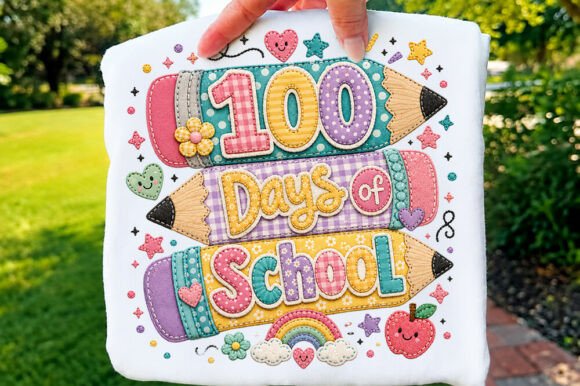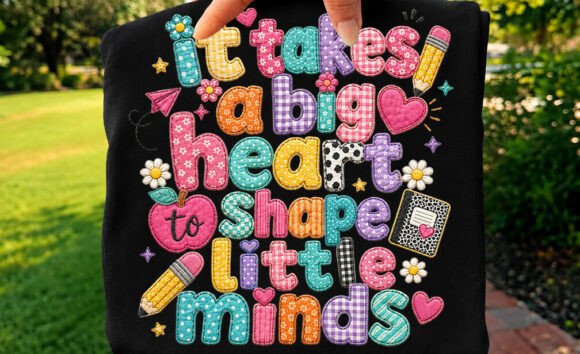
Reviewing Faux Yarn Back to School Teacher PNG for Stitching
As a designer who spends more time analyzing stitch paths than browsing social media, I approach every new digital embroidery file with a healthy dose of skepticism. We have all been there: downloading a graphic that looks stunning on screen, only to watch it turn into a tangled mess of thread breaks and puckering once it hits the hoop. That is why I took a close, practical look at the Faux Yarn Back to School Teacher PNG. This isn’t just about whether the image is cute; it is about whether it translates into a high-quality handmade product that you can confidently sell or gift.
The first thing that strikes me about this design is its texture simulation. The "faux yarn" aesthetic is trendy, but in the world of machine embroidery design, texture is a double-edged sword. Visually, the layout suggests a cozy, tactile feel that aligns perfectly with the back-to-school season. Teachers are often looking for apparel that feels approachable and warm, rather than stiff or corporate. This graphic captures that mood effectively. However, because this is provided as a high-resolution PNG (4500×5400 pixels at 300 DPI) rather than a native embroidery file, the burden of translation falls on you, the digitizer or decorator. You are not just printing an image; you are interpreting a visual concept into thread.
Real-World Application: The Teacher’s Tote and Sweatshirt
To truly evaluate the Faux Yarn Back to School Teacher PNG, I imagined a specific client scenario. A local elementary school teacher wanted a custom tote bag design for carrying graded papers and a matching sweatshirt embroidery piece for those chilly morning drop-offs. She wanted something that stood out from the typical apple-and-pencil motifs. This design fit the bill perfectly.
For the tote bag, which was made of a sturdy canvas, the bold lines of the faux yarn effect would hold up well. Canvas has a tight weave, providing a stable foundation for denser stitching. If I were digitizing this from the PNG, I would lean into fill stitch techniques to mimic the bulk of yarn, ensuring the design doesn't look flat. For the sweatshirt, however, the approach changes. Sweatshirt fleece is thick and plush. Here, the design needs to sit on top of the fabric rather than sink into it. Using a combination of satin stitch borders and strategic running stitch details could help define the edges without creating excessive bulk that might irritate the wearer.
This is where the distinction between T-Shirt Designs and actual embroidery assets becomes critical. A PNG is a static image. It does not know about stitch density or pull compensation. When you use this graphic for custom apparel, you must manually adjust your digitizing settings. If you simply auto-digitize this PNG, you risk creating a stiff, cardboard-like patch of thread. The goal is to maintain the soft, yarn-like illusion while keeping the fabric flexible.
Navigating Fabric and Hoop Constraints
One of the most important aspects of using any design assets like this is understanding where it fails. While the Faux Yarn Back to School Teacher PNG is versatile, it requires careful placement. I would hesitate to use this on very thin, stretchy fabrics like lightweight jersey without significant stabilization. The simulated thickness of the yarn effect implies a certain weight. On thin fabric, this can cause severe puckering, distorting the garment and ruining the finished product.
Similarly, consider the hoop size. If you are working with a small 4x4 inch hoop, you may need to scale the design down. When reducing size, fine details in the faux yarn texture might merge, losing definition. I always recommend testing the design on scrap fabric first. Check how the thread colors interact with the background. Since this is a back-to-school theme, you might be using navy, burgundy, or forest green threads. These darker tones require high contrast against the fabric. If you are stitching on a dark shirt, you will need to incorporate an underlay or even consider an applique design approach where the yarn effect is created with fabric pieces rather than just thread.
Curved surfaces present another challenge. If you plan to put this on a cap, the rigid nature of a dense "yarn" look can conflict with the curve of the crown. In such cases, simplifying the internal details and focusing on the outline ensures the design remains legible and does not warp during wear.
Enhancing Brand Value and Customer Trust
For Etsy sellers and craft business owners, the quality of your digitizing directly impacts your brand reputation. A poorly stitched version of this PNG can look amateurish, while a well-executed version looks premium. Customers associate clean, balanced stitching with professionalism. When you deliver a personalized gift or a small shop product that features crisp edges and consistent tension, you build trust. This design, with its playful yet structured aesthetic, offers a great opportunity to showcase technical skill.
Moreover, the versatility of this graphic allows for diverse product lines. Beyond apparel, consider embroidered patch creation. Patches are increasingly popular for teachers to swap between bags and jackets. Digitizing this PNG for a patch allows you to use heavier threads and denser stitching without worrying about garment comfort. It also opens doors for holiday embroidery projects, as the back-to-school theme transitions nicely into autumn decor, such as pillow covers or kitchen towels.
Practical Notes for the Embroidery Designer
Before you commit to production, here are my essential checks for working with the Faux Yarn Back to School Teacher PNG:
- Test on Scrap: Always run a test stitch-out on the same fabric type you intend to use. This reveals issues with tension and density before you ruin customer material.
- Check Contrast: View the PNG in black and white. If the details disappear, your thread color choice needs adjustment. High contrast is key for readability.
- Stabilizer Selection: Use a cut-away stabilizer for stretchy fabrics and tear-away for woven materials. The "yarn" effect adds weight, so adequate support is non-negotiable.
- License Verification: The product description mentions it is a PNG file for print-ready use. Ensure you have the right to use this image for commercial embroidery projects. If the license is unclear, contact the seller. Do not assume a PNG purchase grants unlimited commercial rights for physical goods.
- Digitizing Strategy: Since this is not a pre-digitized embroidery file, you must create the stitch path. Focus on directionality. Yarn has a grain; your stitches should follow the flow of the illustrated strands to enhance realism.
In conclusion, the Faux Yarn Back to School Teacher PNG is a strong visual asset for designers who understand the technical side of embroidery. It is not a plug-and-play solution, but rather a canvas for your digitizing skills. When handled with attention to fabric texture, stitch density, and proper stabilization, it can elevate your commercial embroidery offerings. Whether you are creating a baby embroidery item for a teacher’s child or a boutique apparel line, this design offers the charm and seasonal relevance that customers crave. Just remember: the magic lies not in the pixel, but in the stitch.