Reviewing the First Grade T-Shirt Design for Real Stitching
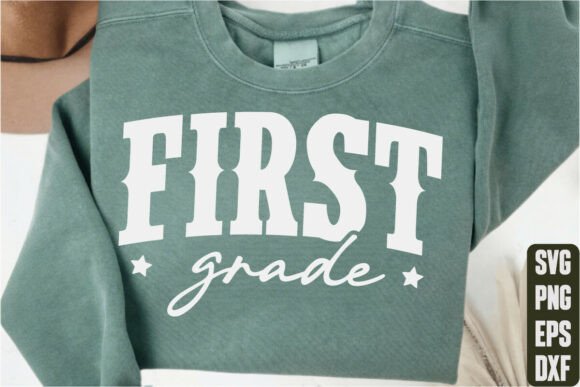
As a designer who spends more time staring at stitch simulations than actual fabric, I have learned to be skeptical of digital previews. We all know the difference between a crisp vector on a screen and how a machine embroidery design actually behaves once the needle hits the cloth. Recently, I pulled up the First Grade T-Shirt Design to evaluate its potential for a upcoming batch of custom orders. This isn’t just another generic graphic; it is positioned as an elegant inspirational quote, which immediately raises questions about legibility, flow, and thread management.
My initial impression was one of cautious optimism. The layout suggests a balance between decorative flair and readability, a crucial combination for any project intended for apparel or home decor. When we talk about T-Shirt Designs in the context of embroidery, we are not just talking about placing an image on a shirt. We are talking about texture, tension, and the physical interaction between thread and fiber. This design, categorized under Graphics, promises versatility, but does it deliver when put to the test?
The Aesthetic Appeal and Mood
The core strength of the First Grade T-Shirt Design lies in its thematic approach. By focusing on an "Elegant Inspirational Quote," it taps into a market that values sentimentality without sacrificing style. In my experience, quotes can be tricky. If the font is too thin, it disappears into the fabric. If it is too bold, it becomes stiff and cardboard-like. This design seems to navigate that middle ground well.
Visually, the design creates a mood of warmth and encouragement. It feels appropriate for a wide range of applications, from back-to-school gifts to motivational decor. For an Etsy seller or a small shop product creator, this emotional connection is what drives sales. Customers are not just buying a stitched pattern; they are buying a feeling. The elegance mentioned in the description suggests refined lines, likely utilizing a mix of satin stitch for borders or emphasis and fill stitch for broader areas, though one must verify the specific stitch types in the actual embroidery file.
Real-World Application Scenarios
To truly judge a design, you have to imagine it in use. I visualized this design on a few different canvases to see where it would shine. Here is how I see the First Grade T-Shirt Design performing in real-life scenarios:
- Custom Apparel: On a high-quality cotton t-shirt, this design would serve as a focal point. The key here is placement. Centered on the chest, it acts as a statement piece. However, because t-shirt fabric is stretchy, using the right stabilizer is non-negotiable to prevent puckering.
- Sweatshirt Embroidery: This is perhaps the ideal home for this design. The thicker fabric of a sweatshirt supports the weight of the threads better than a thin tee. The inspirational quote would look substantial and professional on the left chest or across the upper back.
- Tote Bag Design: Canvas tote bags are sturdy and provide a flat surface for stitching. This design could elevate a simple grocery bag into a chic accessory. The contrast between the thread colors and the natural canvas would highlight the elegance of the quote.
- Personalized Gift Items: Think baby blankets or nursery decor. While the text says "First Grade," the elegant style could easily be adapted for younger children if the quote is universal enough. It works well as a personalized gift for teachers or students.
For those running a craft business, versatility is money. A design that works on both a hoodie and a tote bag reduces your inventory risk. You can create multiple printable mockup options for your online store using the same digital embroidery file, maximizing your return on investment.
Technical Considerations and Challenges
While the aesthetic is promising, we must address the technical realities. Embroidery is unforgiving of poor planning. Here are the areas where you need to exercise caution with the First Grade T-Shirt Design:
Fabric Texture and Type: The description mentions "T-shirt scraps," which implies knit fabrics. Knits are notorious for shifting during stitching. If you are new to commercial embroidery, do not attempt this on a final garment without testing. Use a cut-away stabilizer for knits to ensure the design remains stable after washing. For woven fabrics like linen or cotton twill, a tear-away stabilizer might suffice, but always test first.
Stitch Density and Detail: Inspirational quotes often involve serif fonts or script elements. These can have tiny details that may not stitch out cleanly if the stitch density is too high or if the needle size is incorrect. I recommend inspecting the design at 100% zoom in your embroidery software. Look for extremely small running stitch areas or tight corners. If the design has dense fill areas next to delicate lettering, you may need to adjust the underlay or simplify the design slightly for smaller hoop sizes.
Hoop Size Constraints: Ensure the design fits comfortably within your standard hoop sizes. If the quote is long, it might require a 5x7 or even a 6x10 hoop. Trying to cram a large design into a 4x4 hoop will result in distortion. Always check the dimensions provided with the design assets before purchasing.
Thread Color Contrast: An elegant quote relies on readability. If you choose thread colors that are too close to the fabric color, the message gets lost. Conversely, high contrast can look harsh if not balanced. I suggest creating black and white mockups to check the value contrast before selecting your thread colors. This helps ensure the design pops without looking chaotic.
Enhancing Product Value and Brand Consistency
Why does this matter for your business? Because quality builds trust. When a customer receives a finished product that looks professional, with clean stitches and no puckering, they are more likely to return. The First Grade T-Shirt Design, when executed correctly, adds perceived value. It transforms a basic item into a boutique-quality piece.
For apparel decorators and handmade product creators, consistency is key. Using a well-digitized design ensures that every item you sell looks uniform. This is crucial for brand recognition. If you are selling these as part of a collection, ensure that the style of this design matches your other offerings. The "elegant" descriptor suggests a sophisticated brand voice, so pair it with high-quality garments and premium threads.
Practical Designer Notes for Success
Before you start stitching your next batch, keep these practical tips in mind:
- Test on Scrap Fabric: Never skip this step. Use the same type of fabric and stabilizer you plan to use for the final product. This allows you to check for registration issues and thread breaks.
- Check Licensing: The description mentions it is perfect for projects, but always confirm the license terms. Can you sell finished items? Is there a limit on the number of units? Clarify this before listing on Etsy or at craft fairs.
- Inspect Small Details: Zoom in on the quote. Are there any stray stitches or overlapping paths that could cause thread bunching? Clean up any issues in your software before loading the file onto your machine.
- Consider the End User: If this is for a child’s item, ensure the threads are durable and safe. Avoid metallic threads for items that will be washed frequently, as they can break or irritate sensitive skin.
- Mockup Variations: Create images showing the design on light and dark fabrics. This helps customers visualize the product and increases conversion rates for your digital product previews.
In conclusion, the First Grade T-Shirt Design offers a solid foundation for creative entrepreneurs looking to expand their portfolio. It bridges the gap between sentimental messaging and elegant design. However, its success depends entirely on your technical execution. By respecting the nuances of fabric, stabilizer, and stitch density, you can turn this digital asset into a tangible, high-value product. Whether you are creating a holiday embroidery gift or stocking your small shop with bestsellers, this design has the potential to perform well—if you treat it with the professional care it deserves.