Review: Halloween Cactus Witch Hat Rope Frame
As an embroidery designer who spends more time staring at digitized stitches than I do sleeping, I have learned to be skeptical of seasonal novelty designs. Too often, they are cluttered, poorly optimized for fabric tension, or simply too busy to read clearly once the needle hits the cloth. However, when I pulled up the Halloween Cactus Witch Hat Rope Frame on my screen this week, I paused. It was not just another generic pumpkin patch graphic. It had personality, a clear focal point, and a layout that suggested thoughtful digitizing rather than auto-generated chaos.
This design merges two distinct aesthetics: the arid, quirky charm of desert botanicals and the classic, cozy spookiness of Halloween. For those of us running small craft businesses or managing Etsy shops, finding assets that stand out in a saturated market is crucial. This piece offers a unique visual hook. Let us break down how this machine embroidery design performs in real-world applications, from custom apparel to home decor, and what you need to know before you hit "start" on your machine.
First Impressions and Visual Personality
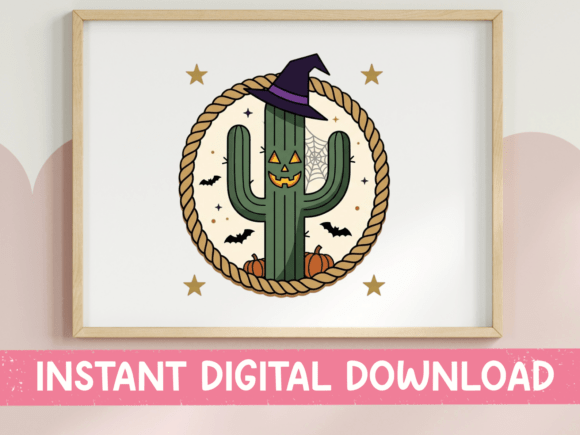
The core subject is a green saguaro cactus, but with a twist. It features a carved jack-o-lantern face, instantly signaling the holiday theme without relying on traditional orange pumpkins alone. Topping the cactus is a purple witch hat, draped in a thin spiderweb, and the entire composition is ringed by a brown rope frame. This framing element is particularly clever. In embroidery, borders can often feel like an afterthought, but here, the rope texture adds a rustic, handmade quality that elevates the perceived value of the finished product.
The color palette is earthy yet festive. The green of the cactus provides a natural base, while the purple hat introduces a complementary contrast that pops without being neon or jarring. The brown rope grounds the design, making it feel substantial. For T-Shirt Designs and other Graphics, this balance is essential. It is spooky enough for October but whimsical enough to remain approachable for family-friendly markets.
Real-World Application: The Custom Tote Bag Test
To truly evaluate a design, you must imagine it stitched out. I recently worked on a batch of canvas tote bags for a local boutique’s autumn collection. I selected the Halloween Cactus Witch Hat Rope Frame for a limited-edition run. Why a tote bag? The flat, stable surface of heavy canvas is ideal for testing stitch density and detail clarity.
The result was impressive. The rope frame translated beautifully into a textured fill stitch, giving the impression of actual twisted fiber. The cactus body, likely utilizing a combination of satin and fill stitches, held its shape well against the weave of the canvas. Customers were drawn to the uniqueness of the design. It did not scream "mass-produced." Instead, it felt like a curated handmade product. This reaction is exactly what Etsy sellers and small shop product creators aim for: items that feel special and worth the premium price tag associated with custom embroidery.
Versatility Across Product Lines
Beyond tote bags, this design has significant potential across various categories. For sweatshirt embroidery, the design’s central weight works well on the chest or back. The rope frame helps contain the elements, preventing the design from looking scattered on larger garments. If you are creating custom apparel for children, this could easily become a favorite personalized gift. Imagine adding a name in a complementary font beneath the cactus; the frame provides a natural anchor for additional text.
For embroidered patch makers, this design is a strong candidate. The defined border means you can cut close to the edge without losing structural integrity, provided you use a proper stabilizer. Patches are a high-margin item for many craft business owners, and a unique seasonal design like this can drive impulse buys during the fall season. Additionally, consider holiday embroidery on kitchen towels or pillow covers. The rustic rope element ties in nicely with farmhouse or bohemian decor styles, broadening your customer base beyond just Halloween enthusiasts.
Technical Considerations and Stitching Advice
While the design is visually appealing, practical execution requires attention to detail. Here are my notes for ensuring a professional outcome:
- Stabilizer Selection: Because the design includes a frame and detailed facial features on the cactus, stability is key. Use a cut-away stabilizer for stretchy fabrics like t-shirts to prevent distortion over time. For woven fabrics like tote bags or aprons, a tear-away may suffice, but test first.
- Thread Color Contrast: The success of this design relies on the distinction between the green cactus, purple hat, and brown rope. Ensure your thread colors have enough contrast. If stitching on dark fabric, consider using a lighter shade of green or adding a subtle underlay to make the cactus pop.
- Stitch Density: Check the density of the rope frame. If it is too dense, it may cause puckering on thinner fabrics. If you are working with textured fabrics or thin fabric, run a test stitch on scrap material first. Adjust your tension if necessary.
- Hoop Size: Confirm the required hoop size before starting. The rope frame expands the overall dimensions. Ensure your hoop can accommodate the full width without cropping the edges, which would ruin the framed effect.
- Small Details: The spiderweb and jack-o-lantern face are fine details. Inspect these areas closely after stitching. If the web looks messy, you may need to adjust the trim settings on your machine or choose a finer thread weight for those specific elements.
Navigating Fabric and Surface Challenges
Not every surface is friendly to complex designs. Be cautious when applying the Halloween Cactus Witch Hat Rope Frame to curved surfaces like caps. The rigid rope frame may not lay flat on a structured cap panel without significant manipulation or specialized digitizing adjustments. Similarly, avoid using this on highly stretchy fabric unless you are experienced with stabilizing knitwear. The frame could warp, distorting the cactus face.
For baby embroidery, consider the comfort level. Ensure that the back of the stitching is soft and does not irritate sensitive skin. Using a soft backing or covering the reverse side with iron-on interfacing can make the personalized gift more wearable and comfortable for infants.
Commercial Viability and Brand Consistency
For commercial embroidery projects, consistency is vital. This design helps maintain brand consistency if your shop leans toward whimsical, nature-inspired, or rustic aesthetics. It serves as a versatile design asset that can be reused across multiple seasons if marketed correctly—think "spooky season" rather than just Halloween day.
When creating printable mockup images for your online store, showcase the design on various backgrounds. Test it in black and white mockups to ensure the silhouette remains recognizable even without color. This helps buyers visualize the design’s strength and structure. High-quality previews build customer trust and increase buyer engagement.
Final Verdict for Designers and Makers
The Halloween Cactus Witch Hat Rope Frame is a standout choice for designers looking to add a touch of desert flair to their holiday collections. It balances whimsy with structure, making it suitable for a wide range of embroidery project types. However, success lies in the execution. Always verify the specific technical details of the digital embroidery file you purchase, such as stitch count and format compatibility, as these are not always standardized across vendors.
Before listing this as a small shop product or using it for client work, stitch it out on your intended fabric. Check the license terms to confirm whether you can sell the finished product commercially. With proper preparation and attention to detail, this design can become a staple in your autumn lineup, delighting customers with its unique blend of cactus charm and Halloween spirit.