No One Fights Alone: A Designer’s Review
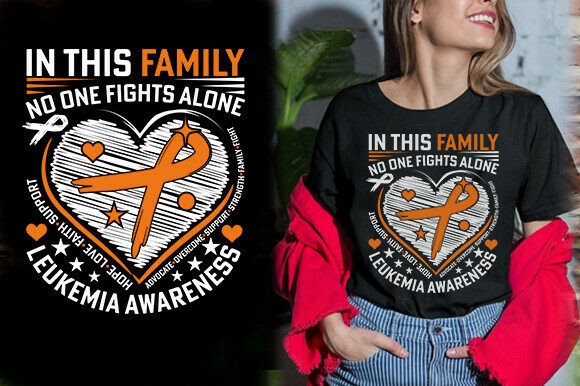
As an embroidery designer who has spent years digitizing for both boutique clients and high-volume craft businesses, I approach every new machine embroidery design with a critical eye. It is not just about whether the image looks good on a screen; it is about how those stitches will behave on fabric, how they will hold up after washing, and whether the final finished product conveys the intended emotion. Recently, I evaluated In THIS FAMILY NO ONE FIGHTS ALONE LEUKE, a graphic centered on leukemia awareness, to determine its viability for real-world applications.
The first impression of this design is one of quiet strength. Unlike aggressive warrior motifs that rely on sharp angles and heavy shading, this piece leans into unity and support. The layout typically features bold, legible typography paired with symbolic imagery, such as ribbons or interlocking elements. For a designer, the immediate question is balance. Does the text overpower the symbol, or do they work in harmony? In my assessment, the spacing appears intentional, allowing each element to breathe. This is crucial because crowded designs often turn into messy blobs of thread once stitched out, especially on textured fabrics.
Real-World Application: The Custom Sweatshirt Test
To truly understand the value of In THIS FAMILY NO ONE FIGHTS ALONE LEUKE, I imagined a specific client scenario. A customer approaches a small shop owner requesting a custom gift for a family member undergoing treatment. They want something warm, comforting, and wearable daily. A heavyweight cotton sweatshirt becomes the ideal canvas. Here, the design’s scale matters immensely. If the lettering is too small, the intricate curves of the fonts may get lost in the fleece texture. If it is too large, the stiffness of the dense stitching could make the garment uncomfortable to wear.
In this context, the design shines as a centerpiece for sweatshirt embroidery. The message is direct and emotionally resonant, making it a powerful personalized gift. When I visualize the stitching process, I consider the thread choices. Leukemia awareness is associated with orange and white, but the design’s versatility allows for customization. A monochromatic look using varying shades of grey can offer a subtle, sophisticated aesthetic, while vibrant orange threads against a navy background create high contrast and visibility. This adaptability makes it a strong candidate for custom apparel lines where buyers want to match their personal style while showing support.
Navigating Fabric and Hoop Constraints
One of the most common mistakes makers make is assuming a design will work equally well on every material. This is where practical judgment separates amateur hobbyists from professional Etsy sellers. For In THIS FAMILY NO ONE FIGHTS ALONE LEUKE, fabric selection is paramount. On thin, stretchy fabrics like jersey t-shirts, the weight of the stitching can cause puckering if the proper stabilizer is not used. A cut-away stabilizer is generally recommended for garments that will be washed frequently, ensuring the design remains flat and intact over time.
Curved surfaces present another challenge. If you are considering this for a cap or hat, you must check the hoop size compatibility. Many standard caps have limited embroidery areas. If the design includes wide horizontal text, it may need to be resized or split into multiple runs to fit the curved panel without distortion. Additionally, tiny details in the "warrior-inspired artwork" mentioned in the description might require satin stitches that are too long for stability on a curved surface. In such cases, simplifying the design or choosing a patch application method might be smarter than direct embroidery.
For items like tote bag designs or aprons, the fabric is usually sturdier, such as canvas or denim. These materials handle higher stitch density well. The design’s bold lines would stand out clearly here, making it an excellent choice for commercial embroidery projects aimed at fundraising events or awareness walks. However, always test on scrap fabric first. What looks crisp in a printable mockup can sometimes look different when the thread interacts with the weave of the fabric.
Commercial Viability and Brand Consistency
For craft business owners and small shop product creators, consistency is key. When adding In THIS FAMILY NO ONE FIGHTS ALONE LEUKE to your catalog, consider how it fits your brand voice. If your shop focuses on delicate, floral baby embroidery, this bold statement piece might feel out of place unless marketed specifically as a support item for parents. Conversely, if your brand is built on empowering messages and community support, this design aligns perfectly.
The visual appeal of this graphic contributes directly to perceived value. Clean, well-digitized lines suggest professionalism. Buyers are more likely to trust a seller whose products show no loose threads, proper tension, and clear lettering. This builds customer trust and encourages repeat business. Furthermore, awareness-themed items often have a higher emotional connection, which can drive engagement on social media. Sharing behind-the-scenes videos of the embroidery process can highlight the care taken in creating each handmade product, further enhancing its appeal.
Technical Considerations for Designers
Before committing to production, there are several technical checks every designer should perform. First, verify the file formats included in the digital embroidery file package. Ensure you have the correct format for your machine, whether it is PES, DST, or another proprietary type. Next, inspect the stitch types. Are the letters filled with a solid fill stitch, or do they use a lighter pattern? Heavy fills can be stiff, so for softer garments, a lighter density or even a running stitch outline might be preferable if the design allows.
Color contrast is another critical factor. Test the design in black and white to ensure the shapes remain distinct without color reliance. This helps in identifying areas where satin stitch widths might be too narrow or where elements merge together. If the design includes an applique design component, check the placement lines and tack-down stitches for clarity. Misaligned applique pieces can ruin the entire look, so precise digitizing is essential.
Finally, always confirm licensing terms. While many designs are sold for personal use, commercial rights vary. If you plan to sell finished items like embroidered patches, holiday embroidery gifts, or nursery decor, ensure you have the appropriate license. Respecting intellectual property protects your business and supports the original designers who create these valuable design assets.
In conclusion, In THIS FAMILY NO ONE FIGHTS ALONE LEUKE offers a meaningful and visually strong option for embroidery projects. Its success depends on thoughtful execution—choosing the right fabric, stabilizer, and thread colors. By treating each stitch with intention, designers can create products that not only look professional but also provide comfort and solidarity to those who need it most. Whether for a T-Shirt Designs collection or a bespoke Graphics portfolio, this design holds potential when handled with expertise and care.