Crab Claw Submarine Sea Art: A Designer’s Review
As an embroidery designer who has spent years digitizing and testing thousands of motifs, I have learned that not every cute graphic translates well to thread. We often browse marketplaces looking for the next best seller, scrolling past endless rows of T-Shirt Designs and Graphics, hoping to find something that stands out both visually and technically. Recently, I came across Crab Claw Submarine Sea Art, and it immediately caught my eye. It is not just another generic sea creature; it is a character-driven piece with personality. But does it hold up under the needle? I decided to put this design through its paces to see if it belongs in your commercial portfolio or your next handmade gift project.
First Impressions: Whimsy Meets Structure
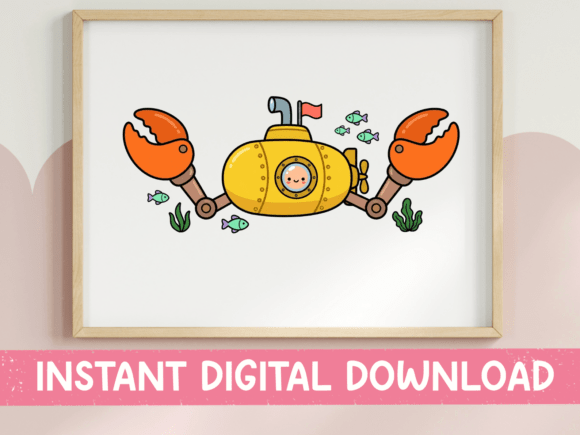
The first thing you notice about Crab Claw Submarine Sea Art is its playful narrative. The concept is simple yet effective: a round yellow submarine equipped with orange crab claws, complete with a smiling face in the porthole and a red flag. This combination of mechanical and biological elements creates a charming juxtaposition that appeals strongly to children and parents alike. From a layout perspective, the design feels balanced. The circular body of the submarine provides a solid anchor, while the extending claws add dynamic movement without making the overall shape too wide or unwieldy for standard hoops.
The color palette is bold and primary—yellow, orange, and red—which is excellent for visibility. In embroidery, high-contrast colors are your best friend, especially when working on varied fabric backgrounds. However, as a reviewer, I look beyond the preview image. I ask myself: How will those bright yellows pop against a navy sweatshirt? Will the fine details of the smiling face get lost in the stitch density? These are the questions that determine whether a design is merely decorative or truly functional for real-world use.
Real-World Application: The Tote Bag Test
To evaluate the practicality of this design, I simulated a common scenario for many Etsy sellers and craft business owners: creating a custom embroidered tote bag for a child’s birthday gift. Tote bags are typically made from canvas or heavy cotton, which provides a stable surface for embroidery. I imagined stitching Crab Claw Submarine Sea Art onto a natural-colored canvas bag.
The round shape of the submarine works beautifully here. It centers well on the bag’s front panel, drawing the eye without overwhelming the accessory. The crab claws, reaching outward, add a sense of action that makes the static object feel alive. For a personalized gift, this design offers ample opportunity for customization. You could easily add a name below the submarine using a complementary font, turning a standard embroidered patch style motif into a bespoke item. The whimsical nature of the sub suggests it would also perform well on baby embroidery projects, such as burp cloths or nursery wall hangings, where soft, friendly imagery is preferred.
Technical Considerations for Stitching
While the aesthetic is strong, the technical execution requires attention. When dealing with a design that features distinct color blocks like the yellow body and orange claws, you must consider thread colors and transition points. A well-digitized machine embroidery design will use proper underlay stitches to prevent the fabric from showing through the bright yellow fill. If you are using this as a digital embroidery file for commercial purposes, always check the stitch path order. You want the background fills to lay down smoothly before the finer details of the porthole face are stitched.
Stitch density is another critical factor. The submarine’s body likely uses a fill stitch to create that solid yellow appearance. If the density is too high, the fabric may pucker, especially on lighter materials. Conversely, if it is too low, the backing might show. I recommend testing this design on scrap fabric similar to your final product. For textured fabrics like terry cloth towels or fleece sweatshirts, you might need to adjust your stabilizer strategy. A cut-away stabilizer is often safer for garments that will be washed frequently, ensuring the finished product maintains its shape over time.
Navigating Fabric Challenges
Not every fabric is created equal. While Crab Claw Submarine Sea Art looks fantastic on sturdy cotton, you should exercise caution with stretchy or thin materials. The weight of the satin or fill stitches can cause lightweight jerseys to distort. If you are creating custom apparel like t-shirts, consider using a hoop-within-a-hoop technique or a strong tear-away stabilizer to support the fabric during stitching. Additionally, dark fabrics present a challenge for the yellow submarine. If you are stitching on black or navy, ensure your machine’s tension is perfect to avoid thread breaks, and consider using a white or light-colored underlay to boost the brightness of the top threads.
Curved surfaces, such as caps or hats, require careful placement. The width of the crab claws might extend beyond the ideal stitching area of a standard cap frame. In such cases, you may need to scale the design down slightly or choose a design variant that is optimized for smaller hoop sizes. Always measure your available stitching area before committing to the final piece.
Commercial Value and Brand Consistency
For small shop product creators, the uniqueness of a design drives sales. Crab Claw Submarine Sea Art has a distinct visual identity that separates it from generic nautical themes. It feels modern and quirky, which aligns well with current trends in children’s decor and apparel. Using this design in your printable mockup previews can help customers visualize the end result, increasing buyer engagement. Whether you are selling holiday embroidery items for summer vacations or year-round design assets for boutique branding, this motif adds a layer of professionalism and charm.
However, commercial success also depends on reliability. Before listing items featuring this applique design or standard embroidery on your store, verify the licensing terms. Ensure that the embroidery file you purchase allows for commercial use if you plan to sell physical goods. Transparency with your customers about the quality and care of your handmade product builds trust. If the stitching is clean, the colors are vibrant, and the design holds up after washing, you will earn repeat customers.
Final Verdict: A Solid Catch for Your Portfolio
In conclusion, Crab Claw Submarine Sea Art is a versatile and engaging addition to any embroidery designer’s library. It balances whimsical charm with a structured layout that is generally forgiving to stitch. It shines brightest on medium-to-heavy weight fabrics like canvas, denim, and cotton twill, making it ideal for tote bags, patches, and outerwear. While it requires careful handling on stretchy or dark fabrics, the visual payoff is worth the extra effort.
For commercial embroidery professionals and hobbyists alike, this design offers a fresh take on underwater themes. It is not just a picture; it is a conversation starter. By paying attention to stabilizer choice, thread contrast, and fabric compatibility, you can transform this digital asset into a high-quality sweatshirt embroidery piece or a cherished personalized gift. As with any new embroidery project, test first, stitch second, and let the unique personality of the crab-sub hybrid speak for itself. It is a fun, reliable catch that deserves a spot in your creative toolkit.