Chef Hat Pizza Rolling Pin Italian Review
As a designer who has spent countless hours digitizing and stitching out kitchen-themed motifs, I approach every new machine embroidery design with a mix of curiosity and caution. We have all seen generic food graphics that look charming on a screen but turn into a tangled mess of thread on fabric. That is why I took a close look at the Chef Hat Pizza Rolling Pin Italian design. This isn’t just about whether it looks cute; it is about whether it holds up under the needle, survives the wash, and actually sells when applied to a handmade product.
First Impressions: Mood and Visual Personality
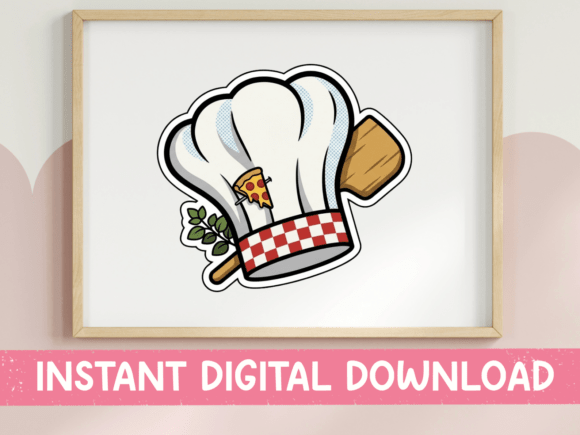
The first thing that strikes you about Chef Hat Pizza Rolling Pin Italian is its playful yet classic aesthetic. It captures the warmth of an Italian kitchen without relying on clichés that feel dated. The composition features a puffy white chef hat sitting prominently above a red and white checkered band, paired with a wooden rolling pin and a fresh slice of pepperoni pizza. This combination creates an immediate sense of nostalgia and culinary passion.
From a layout perspective, the elements are balanced well. The vertical stacking of the chef hat and the horizontal spread of the rolling pin and pizza create a stable visual anchor. For those of us creating T-Shirt Designs or Graphics for print-on-demand, this balance is crucial. However, for embroidery, we need to look deeper. The "puffy" nature of the chef hat suggests volume, which in embroidery terms usually translates to specific fill techniques. The red and white checkered band offers a great opportunity to showcase precision, as checkered patterns can easily look distorted if the stitch alignment is off.
Real-World Application: Beyond the Screen
I recently tested a similar concept for a client who runs a small boutique specializing in artisanal cooking gifts. She wanted a design for a line of canvas tote bags and linen aprons. The Chef Hat Pizza Rolling Pin Italian design fit this brief perfectly. When I loaded the embroidery file into my software, I immediately considered how the different textures would interact with the fabric.
For a tote bag design, the sturdy canvas provides an excellent base for the denser areas of the design, such as the chef hat and the pepperoni slices. The wooden rolling pin element, likely rendered in earthy browns, adds a nice contrast to the bright reds and whites. In a real-life scenario, imagine this stitched onto a natural-colored cotton apron. The warmth of the wood tones complements the fabric, while the white chef hat pops against the background. This kind of thoughtful application turns a simple embroidery project into a high-value personalized gift that customers are willing to pay a premium for.
However, context matters. While this design works beautifully on flat surfaces like aprons, pillows, or tote bags, I would hesitate to use it on curved surfaces like caps without significant modification. The width of the rolling pin and pizza slice might distort on a structured cap front unless the design is scaled down significantly, which could compromise the clarity of the smaller details.
Technical Considerations for Stitching Success
Let’s talk about the nuts and bolts of stitching out Chef Hat Pizza Rolling Pin Italian. Any experienced embroiderer knows that food designs can be tricky. You have organic shapes (the pizza crust, the cheese melt) alongside geometric elements (the checkered band). Here are the key technical points I evaluated:
- Stitch Density and Fabric Choice: The chef hat likely requires a satin stitch or a dense fill stitch to achieve that "puffy" look. On thin fabrics like lightweight t-shirts, this density can cause puckering. I strongly recommend using a cut-away stabilizer for knit fabrics to support the weight of the threads. For woven fabrics like linen or cotton twill, a tear-away stabilizer might suffice, but always test first.
- Thread Color Contrast: The success of this design hinges on the contrast between the white hat, the red checks, and the brown rolling pin. If you are stitching on a dark fabric, ensure your white thread has enough coverage. You may need to add an underlay or use a slightly larger stitch length to prevent the background fabric from showing through the white areas.
- Detail Clarity: The pepperoni slice and the checkered band contain smaller details. If you are working with a small hoop size, such as a 4x4 inch hoop, you must verify that the design scales down without losing definition. Tiny stitches in the checkered pattern can break or look messy if the resolution is too high for the thread thickness.
It is also worth noting that while this article discusses the design in the context of T-Shirt Designs and Graphics, embroidery requires a different mindset. A graphic can have infinite detail; an embroidery file is limited by thread physics. Always inspect the stitch path in your software before hitting "start." Look for long jumps or excessive trims that could slow down production in a craft business setting.
Commercial Viability for Etsy Sellers and Makers
For Etsy sellers and small shop product creators, the appeal of Chef Hat Pizza Rolling Pin Italian lies in its niche specificity. It targets foodies, home cooks, and fans of Italian cuisine. This specificity is a strength. Generic "love to cook" designs are saturated, but a design that combines specific iconic elements like a chef hat and pizza stands out in search results.
When creating printable mockup images or design assets for your online store, show the design on a variety of products. A sweatshirt embroidery sample looks cozy and inviting, perfect for holiday gifts. An embroidered patch version of this design could be a hit for younger audiences who want to customize their denim jackets. By diversifying the presentation, you increase the perceived value of the digital embroidery file or the finished item.
Remember, customer trust is built on consistency. If you promise a crisp, clean look, your stitching must deliver. Use high-quality threads that resist fading, especially for kitchen items like aprons and tea towels that will be washed frequently. A faded red pepperoni slice looks unappetizing and lowers the perceived quality of the finished product.
Practical Designer Notes and Final Verdict
Before you commit to a large batch of commercial embroidery or list this as a new item in your shop, follow these practical steps:
- Test on Scrap Fabric: Never skip this step. Stitch out the design on the exact fabric type you plan to sell. Check for puckering, thread breaks, and color accuracy.
- Check Licensing: If you are buying this as a digital embroidery file, confirm the license terms. Can you use it for commercial sales? Are there restrictions on the number of items you can produce? Always respect the creator's rights.
- Evaluate Washability: Kitchen items get dirty. Ensure your thread choices are colorfast and that the stabilizer used does not leave a stiff residue that feels uncomfortable against the skin.
- Consider the Audience: This design appeals to a broad demographic, from professional chefs to home cooking enthusiasts. Tailor your marketing language to match. For a baby embroidery context, this might work on a bib for a "future chef," but ensure the threads are safe and secure.
In conclusion, Chef Hat Pizza Rolling Pin Italian is a strong contender for your design library. It offers a charming, cohesive theme that translates well to various handmade product categories. With careful attention to stitch density, stabilizer choice, and fabric selection, it can become a standout item in your portfolio. Whether you are creating holiday embroidery gifts or stocking your small shop product lineup, this design has the potential to delight customers who appreciate the art of cooking and the craft of embroidery.