Reviewing the Salt and Light Vector Design for Embroidery
As a designer who spends more time staring at stitch simulations than I care to admit, I have learned that not every graphic translates well to thread. We often see stunning T-Shirt Designs in digital mockups that fall apart under the needle. That is why I approached the SALT and LIGHT VECTOR TSHIRT DESIGN with a critical eye. This is not just about aesthetics; it is about functionality, durability, and the final look of a finished product. After evaluating this bundle for potential use in my own craft business and client projects, I want to share how these Graphics hold up in real-world embroidery scenarios.
First Impressions: Mood and Visual Personality
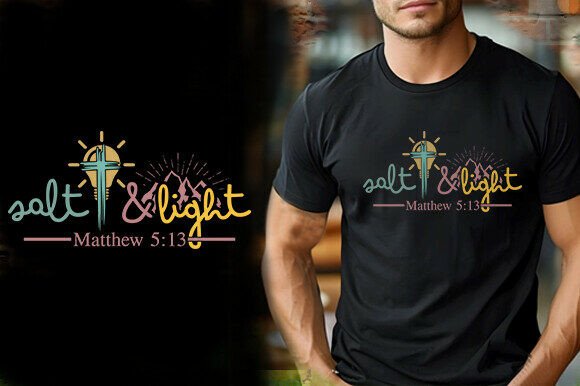
The first thing that strikes you about the SALT and LIGHT VECTOR TSHIRT DESIGN is its clarity. In a market flooded with overly complex faith-inspired art, this design relies on strong, recognizable symbols and clean typography. The mood is uplifting yet grounded, which is exactly what customers look for in meaningful apparel. For an embroiderer, clean lines are a blessing. They suggest that the digitizer has prioritized stitch path efficiency over unnecessary complexity.
The visual personality here is versatile. It does not scream for attention with chaotic details but rather invites a closer look. This makes it an ideal candidate for a wide range of embroidery projects, from subtle personal touches to bold statement pieces. When I visualize this stitched out, I see a design that respects the fabric rather than overpowering it. That balance is rare in pre-made design assets and is a key indicator of quality.
Real-World Application: From Mockup to Stitch
To truly test the viability of any machine embroidery design, I imagine it on specific products. Let us consider a custom tote bag design. Canvas is a sturdy fabric, but it can be unforgiving if the stitch density is too high or the stabilizer is insufficient. The SALT and LIGHT VECTOR TSHIRT DESIGN appears to have the structural integrity needed for heavy-duty fabrics. The bold elements would pop against natural cotton or linen, creating a chic, boutique-style accessory that appeals to modern buyers.
Another practical scenario is sweatshirt embroidery. Here, the texture of the fleece matters. A design with too much fine detail gets lost in the pile. However, the core components of this vector set seem robust enough to maintain their shape on thicker materials. I can easily picture this on a crewneck sweatshirt for a church group or a family reunion. It serves as a personalized gift that feels thoughtful and professional, not like a cheap afterthought.
For those running an Etsy seller shop, versatility is currency. This design could easily transition to a baby embroidery project on a soft onesie, provided the scale is adjusted correctly. The gentle theme fits nursery decor perfectly. Alternatively, it could be scaled down for an embroidered patch on a denim jacket or cap. The ability to resize vector-based concepts without losing definition is a huge advantage, but always check the specific embroidery file limitations provided in the bundle.
Technical Considerations and Stitch Behavior
While the visual appeal is strong, we must discuss the technical side. How does the SALT and LIGHT VECTOR TSHIRT DESIGN handle different stitch types? Based on the graphic nature of the source, I anticipate a mix of fill stitch for larger solid areas and satin stitch for borders or text. This combination is standard for high-quality commercial embroidery, but it requires attention to detail.
Stitch density is a critical factor. If the design is too dense, it will pucker lightweight fabrics like rayon or thin cotton tees. If it is too sparse, the fabric might show through, ruining the crispness of the image. My advice is to always run a test stitch-out on scrap fabric that matches your final product. Check how the thread colors interact with the fabric background. High contrast is usually best for readability, especially with faith-based messages where clarity is paramount.
Pay close attention to small details. Tiny lettering or intricate corners can become problematic if the digitizing is not precise. Before committing to a large production run, inspect the design at 100% zoom in your embroidery software. Look for potential jump stitches or excessive trims that could slow down your machine. A well-digitized digital embroidery file should minimize these issues, but verification is part of the professional process.
Fabric and Hoop Constraints
Not every surface is suitable for every design. When working with the SALT and LIGHT VECTOR TSHIRT DESIGN, consider the hoop size. Ensure your machine’s hoop can accommodate the full design without resizing it to the point of distortion. For curved surfaces like caps, you may need to adjust the pull compensation or use a specialized cap frame to prevent wrapping.
Textured fabrics present another challenge. On a waffle-knit towel or a rough linen, the smooth lines of the design might appear jagged. In these cases, using a cut-away stabilizer is non-negotiable. It provides the necessary support to keep the stitches flat and even. For stretchy fabrics, such as athletic wear, a stabilizer that moves with the fabric is essential to prevent puckering after washing.
Dark fabrics require careful planning. If the design includes light-colored elements, you may need an underlay of white thread to ensure vibrancy. This adds time and thread cost, so factor that into your pricing if you are selling custom apparel. Always test the design on both light and dark backgrounds to see how the thread colors perform. Sometimes, a slight adjustment in shade can make a significant difference in the final presentation.
Business Value and Customer Trust
Why does this matter for your bottom line? Because quality builds trust. When a customer receives a handmade product that looks professional and holds up over time, they are more likely to return and recommend your shop. The SALT and LIGHT VECTOR TSHIRT DESIGN offers a polished look that enhances brand consistency. Whether you are creating holiday embroidery gifts or everyday wear, a clean design reflects well on your craftsmanship.
For small shop product lines, having reliable design assets saves time. Instead of spending hours digitizing from scratch, you can focus on marketing and customer service. Use printable mockup tools to showcase the design on various items before you even stitch a single thread. This helps you gauge customer interest and refine your product offerings. Remember, the perceived value of your item increases when the design looks intentional and well-executed.
Final Designer Notes
Before you purchase or use the SALT and LIGHT VECTOR TSHIRT DESIGN, there are a few final checks to make. First, confirm the licensing terms. Can you use it for commercial purposes? Are there restrictions on the number of items you can sell? These details are crucial for any craft business owner. Second, verify the file formats included. Ensure they are compatible with your specific embroidery machine software.
Finally, remember that no design is one-size-fits-all. Take the time to understand how this specific vector set interacts with your materials. Test it. Tweak it. Make it your own. By approaching the SALT and LIGHT VECTOR TSHIRT DESIGN with a mindset of quality and precision, you can create stunning finished products that resonate with your audience. Whether for a wedding gift, a boutique launch, or a personal project, this design has the potential to shine when handled with care.