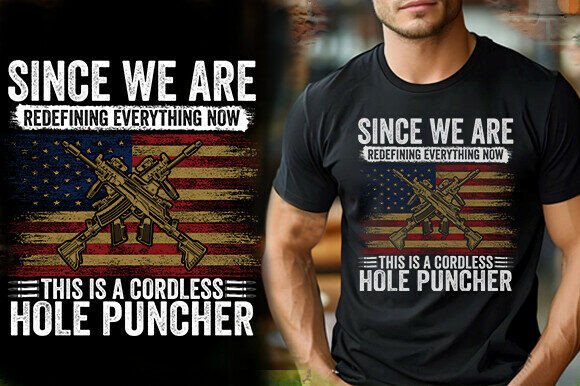
Reviewing the Redefining Everything Now T Design
As a designer who has spent countless hours digitizing patterns and troubleshooting machine errors, I approach every new machine embroidery design with a mix of curiosity and caution. We have all been there: you download a file that looks stunning on the screen, only to find it puckers the fabric or loses its legibility once stitched out. Today, I am taking a close look at SINCE WE ARE REDEFINING EVERYTHING NOW T, a graphic that positions itself within the veteran army niche. My goal is not just to describe it, but to evaluate its practical viability for real-world embroidery projects, from custom apparel to small shop merchandise.
First Impressions and Visual Personality
The first thing that strikes me about SINCE WE ARE REDEFINING EVERYTHING NOW T is its bold, declarative nature. In the world of T-Shirt Designs and Graphics, clarity is king. This design does not whisper; it speaks. The layout suggests a strong typographic focus, which is essential for creating impact on wearable items. For an Etsy seller or a craft business owner, this kind of visual confidence is valuable because it translates well into social media previews and printable mockups.
The mood here is one of resilience and forward momentum. It fits squarely into the category of veteran army tshirt themes, appealing to those who value strength and evolution. However, from a technical standpoint, text-heavy designs require meticulous attention to detail. The spacing between letters, the weight of the fonts, and the overall balance determine whether the final finished product looks professional or amateurish. My initial assessment is that this design has the potential to be a standout piece, provided it is executed with the right materials and techniques.
Real-World Application: The Sweatshirt Test
To truly understand how SINCE WE ARE REDEFINING EVERYTHING NOW T performs, I imagine applying it to a high-quality cotton blend sweatshirt. This is a common request in custom apparel orders, especially for gifts or boutique branding. When embroidering on thicker fabrics like fleece or heavy cotton, the stitch density becomes a critical factor. If the design is too dense, it can cause the fabric to pucker or become stiff, ruining the drape of the garment.
In this scenario, the design’s structure would need to accommodate the texture of the fabric. A well-digitized file will use a combination of fill stitch for larger areas and satin stitch for borders or finer details to maintain definition without adding unnecessary bulk. For a small shop product, consistency is key. If you are producing multiple units, you need a design that stitches out cleanly every time, minimizing trim time and thread breaks. This particular graphic, with its strong lines, seems suited for chest placements or back prints where there is ample space for the lettering to breathe.
Considerations for Smaller Items and Patches
While large garments offer plenty of canvas, many makers prefer creating embroidered patches, caps, or tote bags. Here, the scale of SINCE WE ARE REDEFINING EVERYTHING NOW T must be carefully considered. On a curved surface like a cap, complex designs can distort. If this graphic includes intricate corners or tiny lettering, it may not translate well to a small hoop size. I always advise testing such designs on scrap fabric first, specifically using the same material intended for the final product.
For a tote bag design, durability is paramount. These items undergo frequent washing and heavy use. The thread colors chosen must have high contrast against the fabric to ensure readability over time. If you are using dark fabric, a lighter thread palette is essential, but you must also ensure that the underlying stabilizer is robust enough to support the weight of the stitching. A tear-away stabilizer might suffice for woven totes, but a cut-away is often better for stretchy fabrics or items that will be washed repeatedly.
Navigating Technical Challenges
Every digital embroidery file comes with its own set of challenges. With text-based Graphics, the primary concern is legibility. Small serifs or tight kerning can merge together during stitching, turning distinct letters into an unreadable blob. Before committing to a production run, it is wise to inspect the design at 100% zoom in your embroidery software. Look for potential jump stitches that might be visible on the front of the design, and check if any elements are too fine for the needle size you plan to use.
Another critical aspect is the choice of applique design techniques if the graphic incorporates large solid areas. Applique can reduce stitch count and prevent stiffness, making it ideal for baby clothes or lightweight shirts. If SINCE WE ARE REDEFINING EVERYTHING NOW T is intended for baby embroidery or delicate fabrics, reducing the density through applique or using lighter weight threads can make the final item more comfortable to wear. Always confirm whether the design is optimized for applique or if it relies solely on standard stitching methods.
Enhancing Brand Value and Customer Trust
For commercial embroidery professionals, the quality of the design directly impacts brand reputation. A clean, crisp stitch-out signals professionalism and care. When customers receive a personalized gift or a holiday embroidery item that looks polished, they are more likely to return and recommend your services. The thematic relevance of this design to the veteran community means it carries emotional weight. Executing it with precision shows respect for the subject matter and enhances the perceived value of the handmade product.
Using this design in your portfolio can also help attract a specific niche of clients. Whether you are creating veteran army t shirts for a local group or designing best veteran shirts for online sale, the visual appeal of the graphic plays a huge role in buyer engagement. High-quality design assets like this allow you to create compelling marketing materials that stand out in a crowded marketplace.
Practical Designer Notes for Success
To get the best results from SINCE WE ARE REDEFINING EVERYTHING NOW T, keep these practical tips in mind:
- Test on Scrap Fabric: Always run a test stitch on the actual fabric you plan to use. This helps you identify tension issues or puckering before working on the final garment.
- Check Thread Contrast: Ensure your thread colors stand out against the fabric background. Test both light and dark combinations to see which offers better readability.
- Review Stitch Density: If the design feels stiff after stitching, consider reducing the density in your software or switching to a lighter weight thread.
- Confirm Hoop Size: Make sure your hoop is large enough to accommodate the entire design without needing to re-hoop, which can lead to alignment errors.
- Use Proper Stabilizer: Match your stabilizer to your fabric. Use cut-away for knits and stretchy materials, and tear-away for stable wovens.
- Verify Licensing: Before selling finished items or using the embroidery file for commercial purposes, confirm the license terms provided by the creator. Ensure you have the right to use it for small business merchandise or digital product sales.
In conclusion, SINCE WE ARE REDEFINING EVERYTHING NOW T offers a strong visual statement that can elevate your craft business offerings. By paying attention to technical details and understanding the nuances of different fabrics and applications, you can transform this digital asset into a high-quality, tangible product that resonates with your customers. Whether for a wedding gift, a nursery decor piece, or a bold statement tee, the key lies in thoughtful execution and professional presentation.