Reviewing Couple Graphics for Embroidery Projects
As a designer who has spent countless hours digitizing patterns and testing them on everything from flimsy rayon to heavy denim, I approach every new Couple Graphics T-shirt Design with a critical eye. We often see digital assets marketed broadly, but the real test is how they translate from a screen to a needle. When I first opened this file, my immediate thought was not just about the aesthetic appeal, but about its structural integrity once stitched out. This review is for fellow embroidery designers, Etsy sellers, and craft business owners who need to know if this graphic will hold up in a real-world production environment.
First Impressions: Mood and Visual Personality
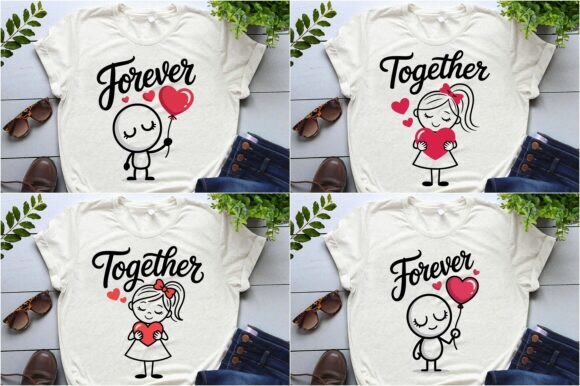
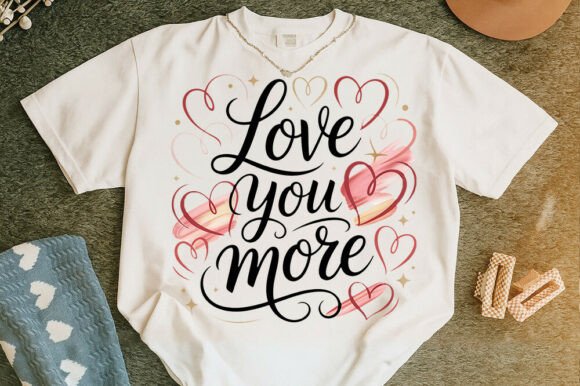
The initial visual impact of this Couple Graphics T-shirt Design is warm and inviting. It falls squarely into the category of charming Illustrations that rely on clean lines and recognizable shapes rather than excessive detail. For an embroidery project, this is often a blessing. Complex gradients and tiny details can get lost in thread, but this design’s layout suggests a strong silhouette. The mood it creates is one of connection and simplicity, making it an ideal candidate for personalized gifts and boutique branding. It does not scream for attention; instead, it invites a closer look, which is exactly what you want for high-quality handmade products.
When evaluating Graphics for stitch conversion, I look for clear boundaries between color fields. This design appears to have well-defined sections, which simplifies the digitizing process whether you are using satin stitch for borders or fill stitch for larger areas. The visual personality is versatile enough to work on both modern, minimalist apparel and more traditional, cozy home decor items.
Real-World Application: From Screen to Stitch
Let’s talk about where this design actually shines. I recently considered a similar graphic for a custom order involving matching sweatshirts for a couple’s anniversary. In that context, the Couple Graphics T-shirt Design would perform exceptionally well. Sweatshirt fabric, particularly cotton blends, provides a stable base that allows the thread to sit nicely without sinking in. The design’s scale seems appropriate for the left chest area or a larger back print, depending on how you resize it within your software.
Beyond apparel, I can envision this working beautifully as a tote bag design. Canvas bags are sturdy, and the texture of the fabric complements the raised nature of embroidery. If you are an Etsy seller looking to expand your product line, consider using this on kitchen towels or aprons. The theme of partnership fits naturally into domestic settings. However, you must be mindful of the fabric texture. On terry cloth towels, you will need a robust cut-away stabilizer to prevent the design from puckering, especially if the graphic has any dense areas.
For those creating embroidered patch products, this graphic is a strong contender. Patches require designs that can withstand handling and washing. If the lines are clean and the thread colors are chosen for high contrast, the finished product will look professional and durable. It is also a viable option for baby embroidery on onesies, provided you scale it down appropriately and use soft, skin-friendly threads.
Navigating Technical Challenges
While the aesthetic is appealing, we must address the technical realities. The product description notes that you receive a PNG file, which is print-ready at 300 DPI. It is crucial to understand that a PNG is not a native machine embroidery design file like PES or DST. You will need to digitize this image yourself or hire a digitizer. This is a significant step. When converting this digital embroidery file, pay close attention to stitch density. If the original graphic has large solid blocks of color, you cannot simply fill them with 100% density, or the fabric will pucker and the needle may break.
Be cautious when applying this to stretchy fabrics or curved surfaces like caps. A cap requires specialized digitizing to account for the curvature and the stiff buckram backing. If you attempt to stitch this directly onto a thin, stretchy t-shirt without proper stabilization, the design may distort. Always test the design on scrap fabric first. This is non-negotiable for professional results. Check how the satin stitch edges hold up against the fabric grain. If the design includes any small text or intricate corners, ensure your machine can handle the fine details without thread bunching.
Another consideration is dark fabric. If you plan to stitch this on black or navy garments, you may need to add an underlay or use a lighter background thread to ensure the colors pop. Conversely, on light fabrics, ensure your bobbin thread matches the top thread to avoid visible dots of contrasting color showing through the back or front of the finished product.
Enhancing Brand Value and Customer Trust
Using high-quality visuals like this Couple Graphics T-shirt Design can significantly elevate your brand consistency. Customers associate clean, well-executed embroidery with professionalism. When they see a crisp, well-stitched design on a custom apparel item, it builds trust. It signals that you care about the details. This is particularly important for holiday embroidery gifts or wedding presents, where the emotional value of the item is high.
From a marketing perspective, this design lends itself well to printable mockup creation. Before you even stitch a single thread, you can place the graphic on virtual products to gauge customer interest. This saves time and materials. As a small shop product, it offers versatility. You can market it as part of a "His and Hers" collection, a family set, or a friendship bundle. The broad appeal of the illustration style means it is not limited to a single niche, allowing you to reach a wider audience of creative entrepreneurs and hobbyists.
Practical Notes for the Embroidery Designer
Before you commit to producing inventory, here are my final recommendations for working with this asset:
- Digitize with Care: Since you are starting with a PNG, ensure your digitizing software auto-traces accurately, or manually trace the paths for better control over stitch types.
- Check Licensing: The description mentions commercial use potential, but always confirm the specific license terms. Ensure you are allowed to sell finished items featuring this design.
- Test Hoop Sizes: Determine the maximum size the design can be stitched without losing clarity. A design that looks good at 4 inches might look pixelated or messy at 8 inches if not properly scaled and re-digitized.
- Thread Contrast: Experiment with different thread colors. Sometimes, swapping a standard color for a metallic or variegated thread can add a unique touch to a simple graphic.
- Stabilizer Selection: Match your stabilizer to your fabric. Use tear-away for stable woven fabrics and cut-away for knits and stretchy materials.
In conclusion, the Couple Graphics T-shirt Design is a promising asset for those willing to put in the digitizing work. It offers a solid foundation for a variety of commercial embroidery projects, from tote bags to sweatshirt embroidery. By paying attention to stitch density, fabric choice, and proper stabilization, you can transform this digital graphic into a tangible, high-value product that resonates with customers. Remember, the quality of the final stitch is what ultimately defines your reputation as a maker.